Diabetes is a health condition where your body struggles to control blood sugar levels. Because of this, making healthy lifestyle changes is key to keeping your blood sugar in check. In fact, many people manage diabetes naturally by following daily diabetes management tips. With the right habits, you can prevent diabetes complications and enjoy a healthier life. Let’s explore how you can take control with simple steps.
What is Diabetes?
Diabetes happens when your body cannot use sugar from food the right way. Usually, your body makes a hormone called insulin. Insulin helps move sugar from your blood into your cells for energy. However, with diabetes, your body either does not make enough insulin or cannot use it well. As a result, sugar builds up in your blood. There are two main types of diabetes:
Gestational diabetes can also develop during pregnancy. But it usually goes away after the baby is born.
Why Blood Sugar Control Matters
Keeping your blood sugar in a healthy range is very important. If your blood sugar stays high for too long, it can harm your eyes, kidneys, nerves, and heart. In addition, high blood sugar can make you feel tired or thirsty. Over time, it can lead to serious problems like heart disease or stroke. Therefore, daily diabetes management and healthy lifestyle choices help prevent diabetes complications.
Essential Lifestyle Changes for Diabetes
Making small changes in your daily life can make a big difference. Here are some healthy habits for diabetes that you can start today.
Healthy Eating Habits
What you eat affects your blood sugar. So, choosing the right foods is key. Try these tips:
Also, try to eat at regular times each day. This helps keep your blood sugar steady.
Physical Activity and Exercise
Staying active helps your body use sugar for energy. In fact, regular exercise can lower your blood sugar and help you feel better. For example, you can:
Even small amounts of movement add up. Always check with your doctor before starting a new exercise routine.
Weight Management
Keeping a healthy weight makes it easier to control your blood sugar. If you are overweight, losing even a small amount can help. For instance, losing 5% to 10% of your body weight can make a big difference. Set small, realistic goals and celebrate your progress along the way.
Stress Reduction Techniques
Stress can raise your blood sugar. Therefore, finding ways to relax is important. You might try:
Remember, even a few minutes of relaxation can help you feel better.
Importance of Regular Sleep
Getting enough sleep helps your body work well. Poor sleep can make it harder to manage diabetes. Try to:
Good sleep supports healthy blood sugar control and boosts your mood.
Monitoring Your Blood Sugar at Home
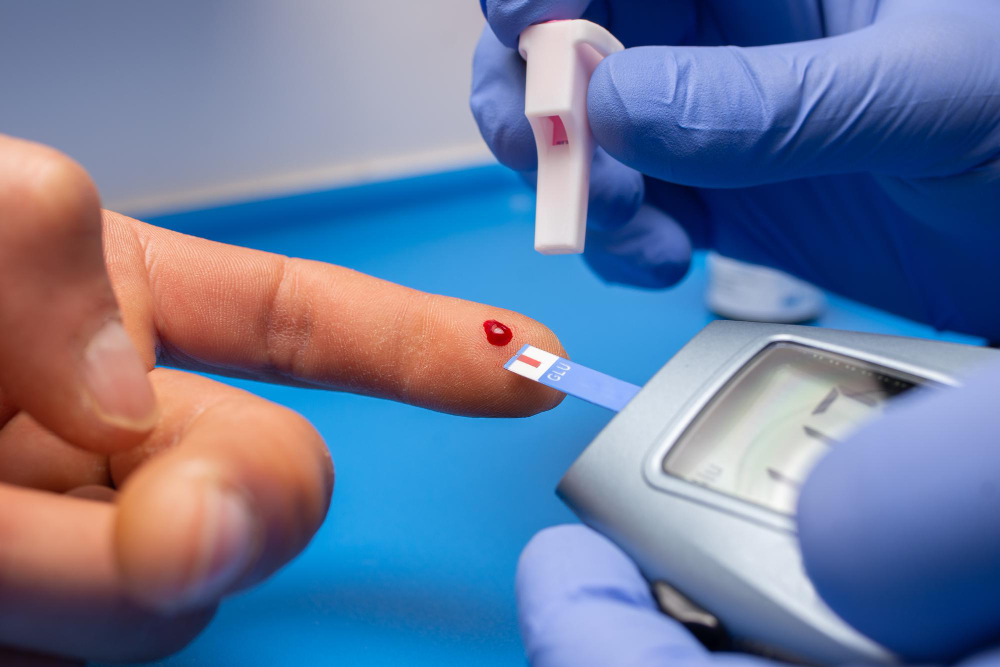
Checking your blood sugar at home helps you see how your habits affect your levels. You can use a simple blood sugar meter. Write down your results and share them with your doctor. This helps you and your care team make better choices for your health.
Tips for Staying Motivated
Sticking to healthy habits can be hard. However, these tips can help you stay on track:
Remember, every step counts toward better health.
When to Seek Medical Advice
Sometimes, you may need extra help. Contact your doctor if you:
Your healthcare team can guide you with personalized diabetes care and advice.
Consult a healthcare professional for personalized diabetes management advice.