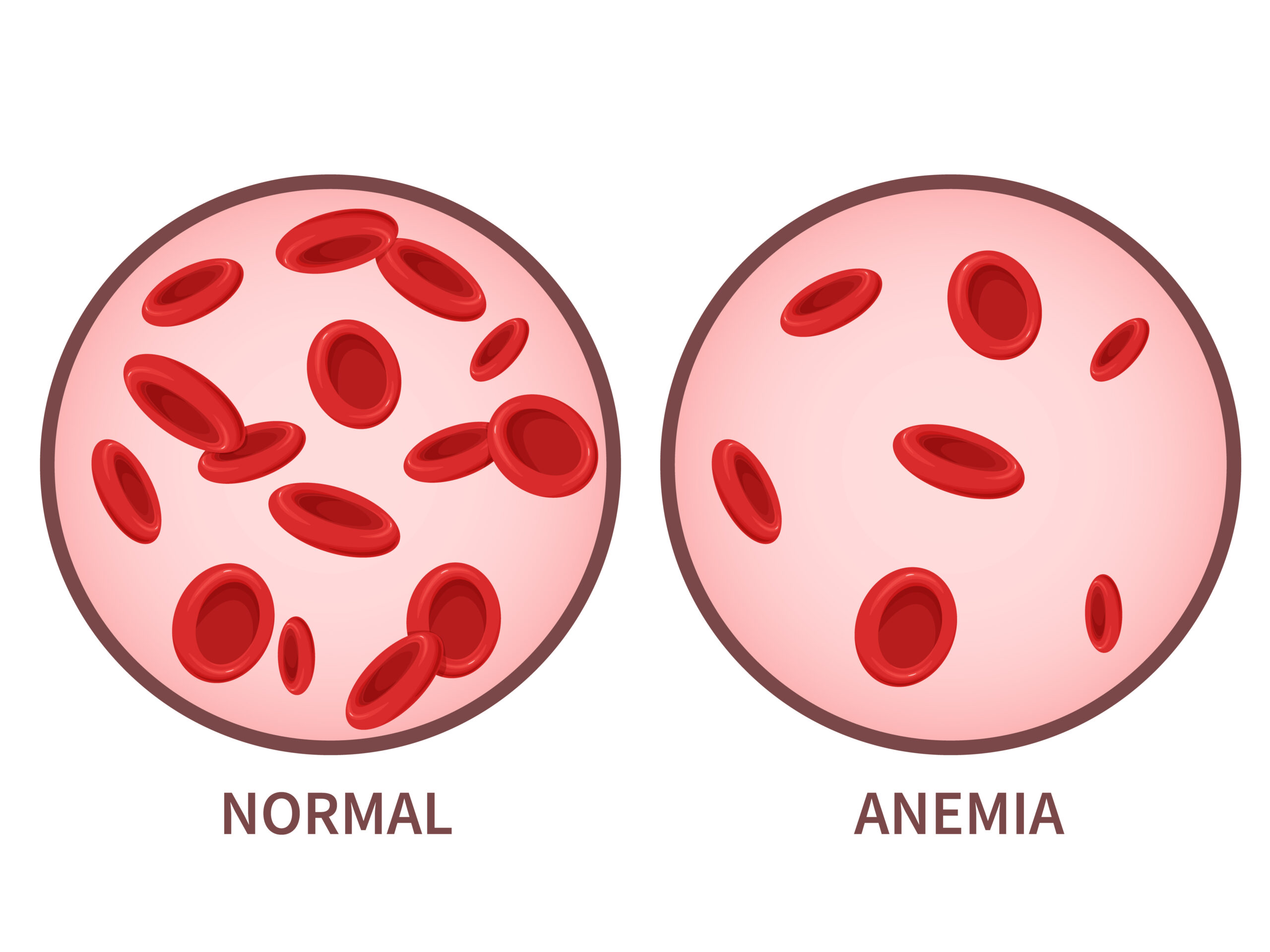
What is Anemia?
Anemia is a common blood condition. It happens when your body does not have enough healthy red blood cells. These cells carry oxygen to your organs and tissues. Without enough oxygen, you may feel tired or weak. Anemia can affect people of all ages. However, it is more common in women and young children. Many people search for anemia symptoms, anemia causes, and anemia treatment because this condition can impact daily life. According to the World Health Organization (WHO), anemia affects over 1.6 billion people worldwide.
Causes of Anemia
There are several reasons why someone might develop anemia. Sometimes, it is due to not getting enough nutrients. Other times, it can be from blood loss or certain diseases. Here are some common causes:
In some regions, like South Asia and Africa, iron deficiency anemia is especially common due to diet and health factors.
Symptoms of Anemia
Many people with anemia do not notice symptoms at first. But as anemia gets worse, you may feel:
Because these symptoms can be mild, it is important to pay attention to changes in your body. If you notice these signs, you should talk to a doctor.
Diagnosis of Anemia
Doctors use blood tests to check for anemia. First, they may order a complete blood count (CBC). This test measures the number of red blood cells and hemoglobin in your blood. If your levels are low, you may have anemia. Sometimes, doctors order more tests to find the cause. For example, they may check your iron, vitamin B12, or folate levels. In some cases, they look for signs of bleeding or other health problems.
Treatment Options for Anemia
Treatment for anemia depends on the cause. Your doctor will choose the best plan for you. Common anemia treatments include:
For example, eating foods like spinach, beans, red meat, and eggs can help boost iron levels. Always follow your doctor’s advice before starting any treatment.
Prevention and Lifestyle Tips
Although not all types of anemia can be prevented, you can lower your risk with healthy habits. Here are some tips:
In addition, pregnant women and young children should pay extra attention to their nutrition. This can help prevent anemia and support healthy growth.
In summary, anemia is a common but treatable condition. Early diagnosis and proper care can help you feel better and stay healthy. Consult a healthcare professional for personalized advice on anemia.