Introduction
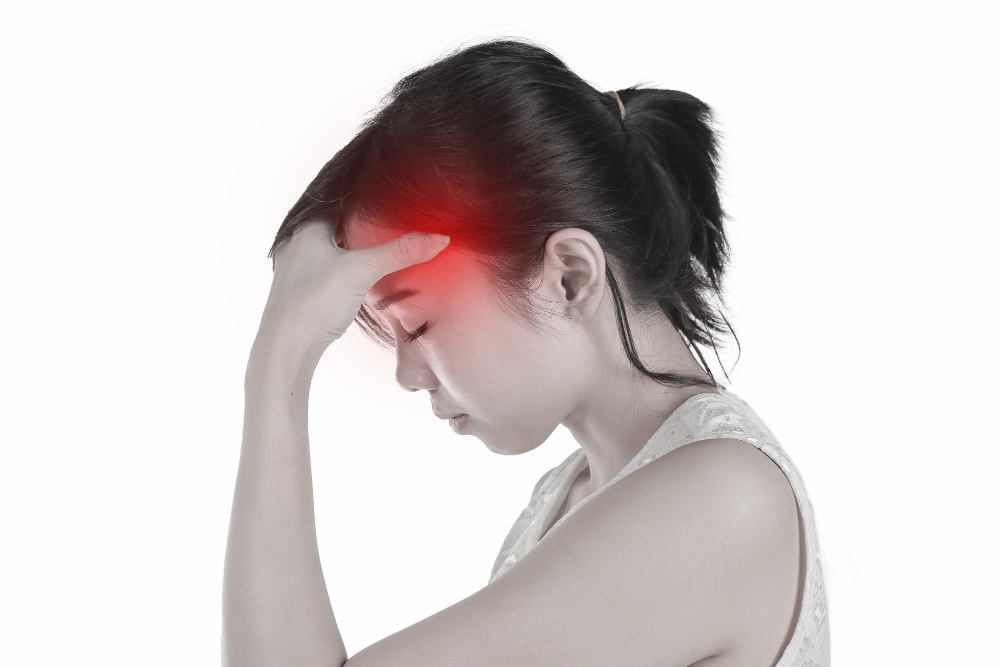
Migraines are more than just headaches. They can cause severe pain, nausea, and sensitivity to light or sound. For many people, migraines disrupt daily life. However, you can take steps to prevent migraine attacks. By learning about triggers and making simple changes, you may reduce migraine frequency. This guide shares migraine prevention tips and natural ways to avoid migraines, helping you live with fewer attacks.
What is a Migraine?
A migraine is a type of headache that often causes throbbing pain on one side of the head. Sometimes, it comes with other symptoms like nausea, vomiting, or seeing flashing lights. Migraines can last from a few hours to several days. Unlike regular headaches, migraines can be very intense and may stop you from doing normal activities. According to the World Health Organization (WHO), migraines are one of the most common health problems worldwide.
Common Triggers of Migraine Attacks
Knowing what triggers your migraines can help you avoid them. While triggers can be different for each person, some are more common. For example, certain foods or drinks may start a migraine. Other times, changes in weather or stress can be the cause. Here are some common triggers:
Recognizing Early Symptoms
Often, migraines give warning signs before the pain starts. Recognizing these early symptoms can help you act quickly. For instance, you may notice changes in mood or feel very tired. Some people see flashing lights or have trouble speaking. Early symptoms may include:
If you notice these signs, try to rest in a quiet, dark room. Sometimes, taking action early can stop a migraine from getting worse.
Top Tips to Prevent Migraine Attacks
Preventing migraines is possible with the right steps. Here are some migraine prevention tips you can try:
Lifestyle Changes for Migraine Prevention
Making small changes in your daily life can help reduce migraine frequency. For example, regular exercise can lower stress and improve sleep. Eating healthy foods and avoiding processed snacks may also help. If you live in a place with extreme weather, try to stay indoors during sudden changes. Here are some natural ways to prevent migraines:
According to the Centers for Disease Control and Prevention (CDC), healthy habits can make a big difference in migraine prevention.
When to See a Doctor
Sometimes, migraines need medical attention. If your headaches are frequent or very painful, talk to a doctor. Also, seek help if you notice new symptoms, such as weakness, trouble speaking, or vision loss. These could be signs of a more serious problem. Your doctor can suggest treatments or medicines to help you avoid migraines. Remember, everyone is different, so what works for one person may not work for another.
Conclusion
In summary, you can prevent migraine attacks by knowing your triggers, making healthy choices, and acting early. Try these migraine prevention tips and natural ways to reduce migraine frequency. However, if migraines affect your daily life, consult a healthcare professional for personalized migraine prevention strategies.